
Co-creating practical strategies for success
Improving your training, workshops and events with great design and facilitation Find Out More
Courses that make a difference
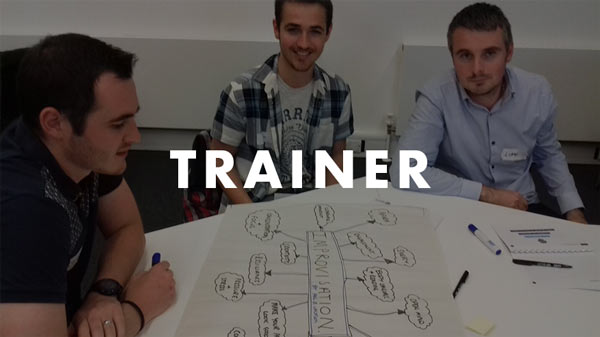
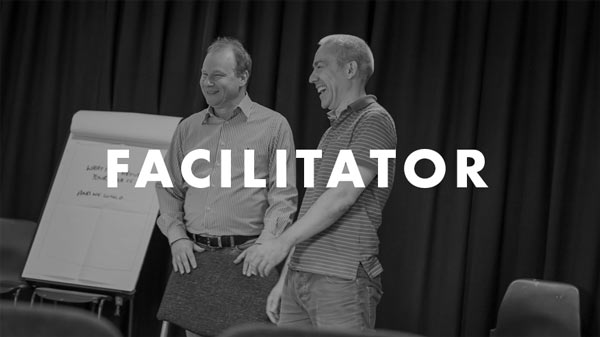
Designing & facilitating events
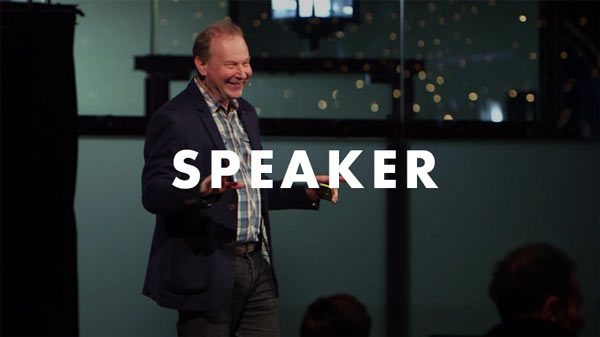
Keynotes & workshops



New dates announced for Paul Z Jackson’s newest course!
Are you ready to unlock your creativity and unleash your imagination? Whether you’re a seasoned performer or a newcomer to the world of theatre, our Improv in 6 acts programme is the perfect way to explore the possibilities of improvisation.
Sign up today and join us on a journey of discovery and laughter. You’ll be amazed at what you can achieve when you let go of perfectionism and embrace the power of improv!
New date to be announced soon…
If presentations are letting down the rest of your performance, this is the programme to raise your game.
This half-day online award winning Inspirational Presenter programme will build on your current skills as an experienced presenter.
Book today for a course that blends practical and challenging activities with reflection and review. It’s interactive, which means that the content is always responsive to individual requirements on the day.
New May-June 2024 dates announced!
Design and host inspirational meetings, workshops and conferences that give you a competitive edge and keep your audience coming back for more.
This practical programme offers you all the tips and techniques you need to be a more confident and creative facilitator, both face-to-face and online. You’ll master your design and hosting skills, while participating in an exclusive collaborative network. You’ll gain a competitive edge that keeps you in demand for the fulfilling work you want.
Bringing out the best in you and your teams
If you want to:
- Raise the quality and impact of communication skills in your organisation
- Develop leaders who articulate and share a compelling, strategic vision
- Enhance the performance of teams and individuals
- Sustain improvements throughout your organisation
We’ll help you to:
- Increase your confidence and creativity
- Expand your business by clearly communicating your vision
- Learn to take risks and how to react to setbacks
- Benefit from our experience in getting results in world-class organisations
- We use flipped learning and applied improvisation in high-value, collaborative projects that will bring out the best in you and your teams
Meet Paul Z Jackson, introducing improvisation skills into organisations
What did actress and writer Ruth Jones of ‘Gavin and Stacey’
say about Paul Z Jackson on TV?
What are we thinking – blog posts
Letting Go – of fixed plans and more…
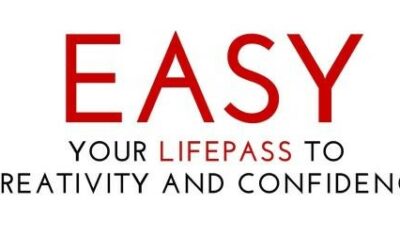
Just had delivered 100 lovely reprints of my book Easy, fully-illustrated and in colour. It presents 8 improvisation principles, under the acronym LIFEPASS.
Order your copy today – the perfect stocking filler!

Storytelling success for business leaders
Imagine having the ability to captivate your audience, whether it’s during a conference, team meeting or negotiating with clients.
After a sell-out September session, we are delighted to offer our popular half day ‘Storytelling for Leaders’ workshop for one final time this year, on Thursday 16th November.
The Secrets of Improv – in person
Are you ready to learn the core skills of improv performance to take on stage or apply in your life? If so, please join us in Oxford for “Improv in 6 Acts”. Over six weekly sessions, you’ll learn improv comedy and discover the fun of letting go of perfectionism, creating spontaneously and playfully building confidence.
Newsletter Sign up
Sign up here to receive our occasional newsletter, with tips, giveaways and – of course – news. Don't miss this month's free booklet 'Virtual Facilitation - what works well online?'
Paul Jackson Associates Limited. A registered company in England and Wales. Company Number 09564618. VAT Number GB 213 379812. Registered Address 10 Greville House, Lower Road, Harrow on the Hill, Middlesex, HA2 0HB. Postal Address 34a Clarence Road, St Albans, Hertfordshire, AL1 4NG Telephone 01727 843 820 Mobile 07973 953 586
© 2009-2018 Paul Jackson Associates / The Improvisation Academy - All Rights Reserved